Why Nuclear Plant Decommissioning Takes Decades to Complete
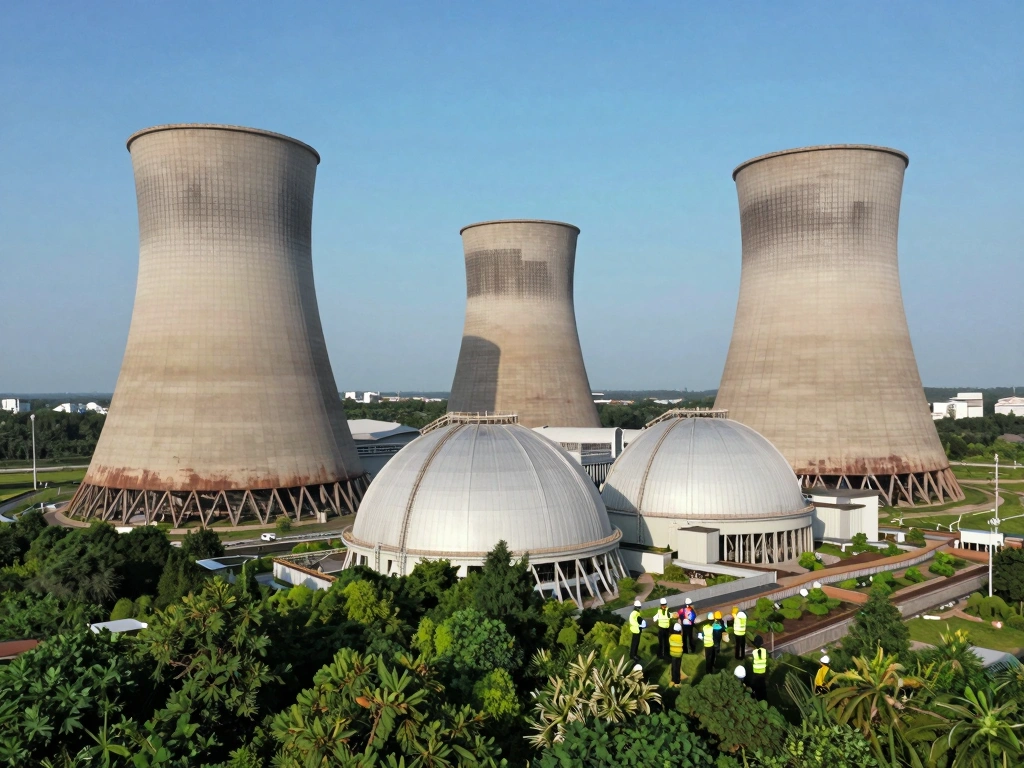
Nuclear plant decommissioning is a complex and multifaceted process that can span several decades. The lengthy timeline is influenced by a variety of factors, including regulatory frameworks, the intricacies of dismantling and cleanup processes, financial considerations, technological limitations, and public perception. This article delves into each of these aspects to provide a comprehensive understanding of why decommissioning nuclear facilities is not only a long-term commitment but also a critical one for ensuring safety and environmental protection.
Regulatory Framework and Compliance Challenges
Overview of Regulatory Bodies Involved
The decommissioning of nuclear plants is governed by a stringent regulatory framework designed to ensure safety, environmental protection, and public health. In the United States, the Nuclear Regulatory Commission (NRC) is the primary federal agency overseeing the decommissioning process. The NRC establishes regulations that decommissioning entities must follow, including license termination criteria and environmental impact assessments. In addition to the NRC, state regulatory agencies and environmental protection organizations play significant roles in overseeing decommissioning efforts, adding layers of complexity to the process. Internationally, organizations like the International Atomic Energy Agency (IAEA) provide guidelines and best practices that influence national regulations. For example, the IAEA's Safety Standards Series outlines the requirements for the safe decommissioning of nuclear facilities, impacting how decommissioning is approached worldwide.
Obtaining Necessary Permits and Approvals
Before decommissioning can begin, plant operators must navigate a labyrinth of permits and approvals. This process can take years to complete, as each stage of decommissioning requires specific authorizations. For instance, the NRC’s License Termination Plan (LTP) must be submitted and approved before any physical work can start. The LTP outlines how the site will be cleaned, decontaminated, and restored, including timelines and methodologies. Moreover, environmental assessments must be conducted to evaluate potential impacts on local ecosystems. These assessments can take substantial time to complete, as they often involve extensive data collection and analysis. Delays in obtaining permits can significantly extend the overall decommissioning timeline.
Adhering to Safety and Environmental Standards
Safety and environmental standards are paramount in the decommissioning process. Operators must ensure that all activities comply with the regulations set forth by the NRC and other regulatory bodies. This includes stringent monitoring and reporting requirements to ensure that any radioactive materials are managed appropriately. The decommissioning process must also address potential environmental impacts, which may include soil and groundwater contamination. Remediation efforts can be time-consuming and require extensive testing and monitoring to ensure compliance with environmental regulations. For example, the decommissioning of the San Onofre Nuclear Generating Station in California has encountered delays partly due to challenges in managing radioactive materials and ensuring that environmental standards are met.
Complexity of Dismantling and Cleanup Processes
Steps Involved in Physical Dismantling
The physical dismantling of a nuclear plant involves numerous steps that must be executed with precision and care. Initially, the plant must be safely shut down and defueled, a process that can take several years. Following this, the removal of systems, structures, and components occurs, often involving heavy machinery and specialized techniques to minimize contamination risks. For instance, the dismantling of reactor components may require the use of remote-controlled tools to limit human exposure to radiation. The complexity of these tasks necessitates detailed planning and skilled labor, contributing to the lengthy timeline. The dismantling process must be conducted in accordance with specific sequences to ensure safety, further complicating the timeline.
Management of Radioactive Waste
One of the most significant challenges in nuclear decommissioning is the management of radioactive waste. This waste can vary widely in its level of radioactivity and requires careful handling and disposal. High-level waste, such as spent nuclear fuel, must be stored in specialized facilities, while low-level waste can be disposed of in designated landfills. The United States currently lacks a permanent repository for high-level radioactive waste, which complicates the decommissioning process. As a result, many plants temporarily store spent fuel on-site in pools or dry cask storage, which adds years to the decommissioning timeline. For example, the decommissioning of the Vermont Yankee Nuclear Power Plant has been extended due to the prolonged on-site storage of spent fuel and the ongoing search for a permanent disposal solution.
Decontamination Techniques and Technologies
Decontamination is a critical step in the decommissioning process, involving the removal or reduction of radioactive contaminants from surfaces and materials. Various techniques are employed, including chemical decontamination, abrasive cleaning, and high-pressure water jetting. The choice of decontamination methods can significantly affect the timeline. Some techniques are more effective but require longer application times, while others may be quicker but less thorough. The decision-making process regarding which methods to use often involves balancing effectiveness with time constraints, adding complexity to the decommissioning timeline.
Financial Considerations and Budget Constraints
Cost Estimates for Decommissioning Projects
The financial implications of nuclear decommissioning are substantial. Estimates for decommissioning a nuclear power plant can range from hundreds of millions to several billion dollars. For example, the estimated cost for the decommissioning of the San Onofre Nuclear Generating Station is approximately $4.4 billion. These costs encompass a wide array of activities, including dismantling, waste management, environmental remediation, and regulatory compliance. The complexity and uncertainty surrounding the decommissioning process make it challenging to provide accurate cost estimates, leading to potential budget overruns that can extend timelines.
Funding Mechanisms and Financial Assurance
To finance decommissioning efforts, nuclear plant operators are typically required to establish decommissioning funds during the plant's operational life. These funds are often accumulated through fees charged to consumers. However, the adequacy of these funds can be influenced by various factors, including investment performance and regulatory changes. In many cases, the financial assurance provided may not be sufficient to cover the actual costs of decommissioning, leading to potential shortfalls. This financial uncertainty can delay the decommissioning process as operators seek additional funding or negotiate with regulators to modify existing financial arrangements.
Impact of Delays on Project Budgets
Delays in the decommissioning process can have significant financial implications. Extended timelines can lead to increased costs due to inflation, regulatory changes, and the need for ongoing maintenance and monitoring of the site. For instance, the decommissioning of the Maine Yankee Nuclear Power Plant was initially projected to take ten years but ultimately took over twenty years, largely due to regulatory delays and funding challenges. These delays can create a cycle of financial strain, as prolonged decommissioning leads to rising costs, which in turn may delay necessary funding and approvals, perpetuating the lengthy timeline.
Technological Limitations and Innovations
Current Technologies Used in Decommissioning
Decommissioning technologies have evolved over the years, but many current methods still face limitations. Traditional techniques such as manual dismantling and simple decontamination processes are often employed, but they may not be the most efficient or effective. Emerging technologies, including robotics and advanced imaging systems, have the potential to enhance decommissioning processes. For example, remote-operated vehicles (ROVs) can be used to safely dismantle components in high-radiation areas, reducing human exposure and increasing efficiency.
Challenges in Developing New Techniques
The development of new decommissioning technologies faces several challenges, including funding, regulatory approval, and the need for widespread industry acceptance. Innovative methods may require significant investment in research and development, and the regulatory landscape may not readily accommodate new approaches. For instance, while robotic systems offer advantages in terms of safety and efficiency, their deployment may be hindered by the need for regulatory approval and the establishment of safety protocols. This often results in a slower adoption of new technologies, prolonging the decommissioning timeline.
Future Innovations and Their Potential Impact
Looking ahead, several innovations hold promise for streamlining the decommissioning process. Advances in artificial intelligence (AI) and machine learning could facilitate better planning and execution of decommissioning projects. For example, AI-driven simulations could optimize dismantling sequences and improve waste management strategies. Moreover, the development of new decontamination agents and methodologies could enhance the effectiveness and efficiency of cleanup efforts. As these innovations become more widely adopted, they have the potential to significantly reduce the time required for decommissioning nuclear facilities.
Public Perception and Stakeholder Involvement
Community Engagement in Decommissioning Plans
Public perception plays a crucial role in the decommissioning process. Engaging with local communities and stakeholders is essential to build trust and address concerns. Many nuclear plants have established community advisory boards to involve stakeholders in the decommissioning process actively. For example, the decommissioning of the Fort Calhoun Nuclear Station in Nebraska involved extensive community engagement efforts to inform residents about the process and address their concerns. These initiatives can help mitigate public resistance and facilitate a smoother decommissioning process.
Addressing Public Concerns and Misinformation
The decommissioning of nuclear power plants often raises public concerns regarding safety, environmental impacts, and long-term implications. Misinformation can exacerbate these concerns, leading to public opposition and regulatory scrutiny. Operators must proactively address these issues through transparent communication and educational initiatives. For instance, the decommissioning of the Rancho Seco Nuclear Generating Station in California faced opposition due to public fears about radioactive waste. Engaging with the community and providing accurate information helped alleviate some of these concerns, although challenges remained.
The Role of Activist Groups and Environmental Organizations
Activist groups and environmental organizations play an influential role in shaping public perception and advocating for stringent decommissioning practices. These groups often monitor decommissioning projects to ensure compliance with environmental regulations and advocate for best practices in waste management and site remediation. For example, organizations like the Sierra Club and Greenpeace have actively campaigned for stricter oversight of nuclear decommissioning, emphasizing the need for safety and environmental protection. Their involvement can contribute to delays in projects, as operators may need to address concerns raised by these groups and demonstrate compliance with their demands.
Conclusion
In conclusion, the decommissioning of nuclear power plants is a complex and lengthy process that can take decades to complete. Various factors contribute to this extended timeline, including regulatory frameworks, the intricacies of dismantling and cleanup processes, financial considerations, technological limitations, and public perception. Each of these elements influences the overall decommissioning timeline, underscoring the importance of careful planning, community engagement, and adherence to safety and environmental standards. As the nuclear industry continues to evolve, embracing innovative technologies and fostering transparent communication with stakeholders will be essential in addressing the challenges associated with decommissioning. By understanding the multifaceted nature of this process, stakeholders can better appreciate why nuclear plant decommissioning is not only a critical undertaking but also a complex journey that requires time, resources, and commitment.